· News
Batik Kujur, A Cultural Heritage Bringing a New Identity to the Mining Town of Tanjung Enim
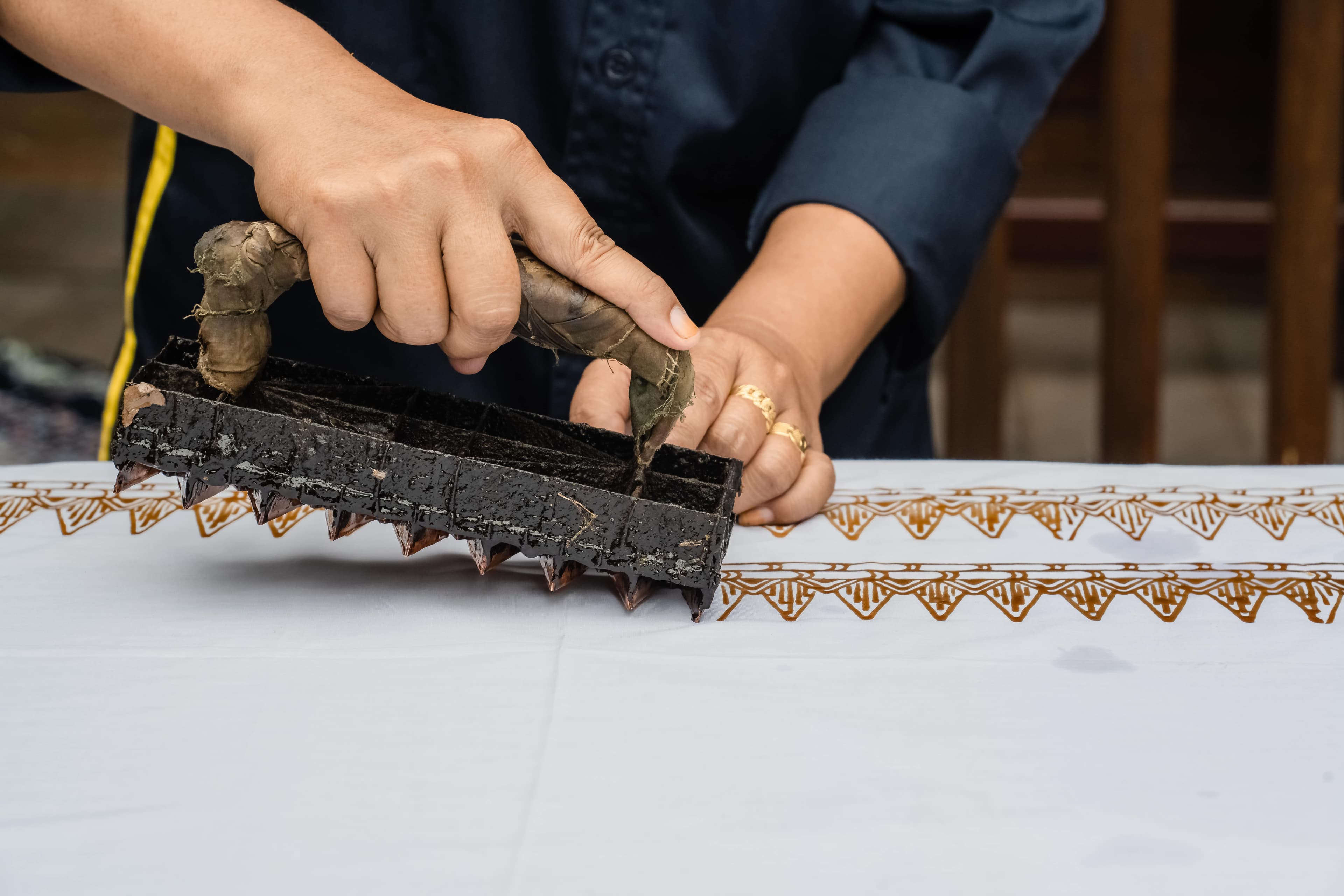
Tanjung Enim, October 2, 2025 – Amidst the bustle of Tanjung Enim, a town long known for its coal mines, lies a piece of cloth that carries a profound story: Batik Kujur. More than just fabric, Batik Kujur represents a cultural heritage that captures the identity of the local community while opening new economic opportunities for its people.
The name Kujur is derived from a traditional weapon resembling a spear that has been used for generations. For the local community, the kujur is more than just a weapon—it embodies courage, honor, and the strength to live.
The Beginning of Batik Making
Ahmad Syahdan, Head of SIBA Batik Kujur, vividly recalls his first encounter with batik. In late 2018, PT Bukit Asam Tbk (PTBA) introduced the art of batik to residents of Dusun Tanjung through its Corporate Social Responsibility (CSR) program. By early 2019, he and fellow artisans received training in batik making, business management, and financial literacy.
“Beyond socialization, PTBA provided us with equipment, materials, and marketing support. We were also trained to manage groups, improve performance, and expand production. All of this continues to this day,” explained Syahdan.
Three Meaningful Motifs
Since its official launch on March 2, 2019, Batik Kujur has carried three signature motifs: Kris, Bunga Tanjung, and Padi.
- Kris represents a sacred heirloom and bravery.
- Bunga Tanjung, the city’s floral icon, is known for its fragrant blossoms that line the streets.
- Padi (Rice) symbolizes unity and prosperity for the people of Lawang Kidul and Tanjung Enim.
“These motifs are our foundation. Moving forward, we will continue to develop more designs inspired by Tanjung Enim’s cultural richness,” Syahdan noted.
Livelihood from Cloth
Batik has since become a vital source of income. According to Syahdan, sales generate around Rp7–10 million in gross income per month, with net earnings of about Rp4 million.
“Alhamdulillah, batik now covers around 80 percent of household expenses, including my children’s education,” he said.
Interestingly, customer preferences often align with local festivals. During the durian festival, batik with durian motifs is in demand, while during the coffee festival, coffeethemed batik becomes the best seller.
Prices range from Rp250,000 per piece for premium cotton (2.5 meters) to Rp500,000 for silk or silky cotton.
Challenges and Hopes Ahead
Despite rising demand, artisans still face limited capital and production capacity. Ideally, each group should be able to produce 100–200 pieces of batik, but most currently manage fewer than 10 per motif.
“For now, we are focusing only on fabric. We haven’t ventured much into fashion products due to limited capital and tailoring skills,” said Syahdan.
Nevertheless, support from PTBA through the Rumah BUMN initiative provides encouragement, helping Batik Kujur reach broader markets.
A New Identity for a Mining Town
From a small village once unfamiliar with batik, Tanjung Enim has grown into a hub of artisans whose works are gaining recognition. Batik Kujur is not only an artistic creation but also a path to economic independence and cultural preservation.
From mines to fabric, from kujur to motifs, Batik Kujur proves that cultural identity can become a new source of livelihood for the community.
“We are very grateful to PTBA. Before, we knew nothing about batik. Now, we can sell our creations. Our hope is for Batik Kujur to become more established, maintain sufficient stock, and eventually enter the world of fashion. May Batik Kujur continue to be the pride of Tanjung Enim,” Syahdan concluded.