· News, CSR and the Environment
PTBA Conducts 5,197 Hectare Watersheds Rehabilitation to Preserve the Environment
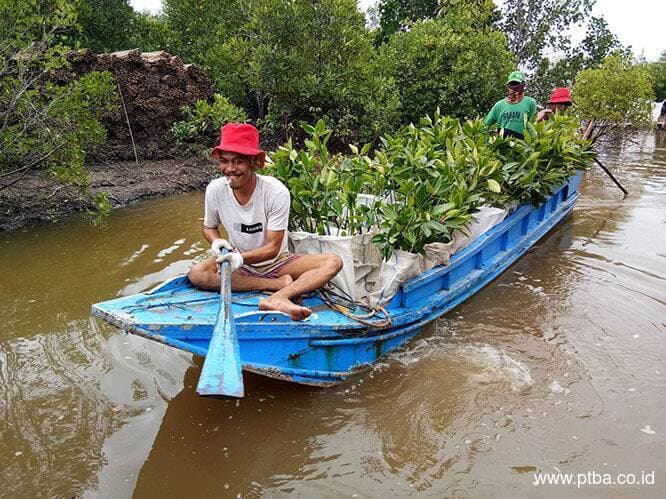
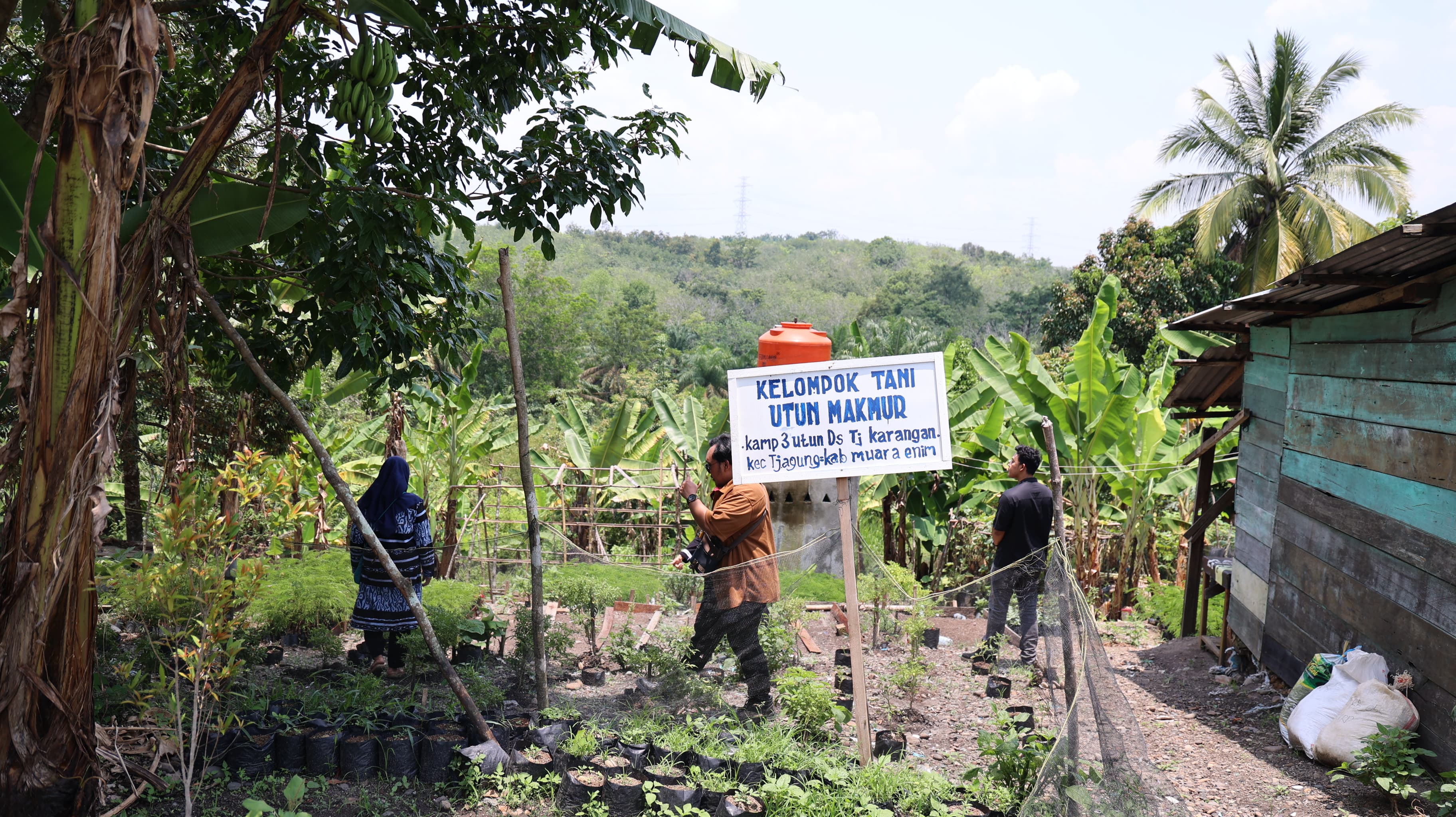
PT Bukit Asam Tbk (PTBA) has an obligation to conduct Watershed Rehabilitation as a company holding a Borrow-to-Use Forest Area Permit (IPPKH). So far, the company has conducted watershed rehabilitation in 33 villages in 4 districts, namely Muara Enim (South Sumatra), Lahat (South Sumatra), Banyuasin (South Sumatra) and Kulonprogo (Special Region of Yogyakarta), in accordance with the Decree on Watershed Rehabilitation from the Ministry of Environment and Forestry.
According to PTBA Corporate Secretary, Apollonius Andwie, the watershed rehabilitation is also PTBA’s commitment to decarbonization, in line with its vision of becoming a world-class chemical and energy company that cares about the environment.
"Sustainable development is PTBA's ultimate goal, in accordance with its noble purpose as a member of the MIND ID SOE mining holding to explore natural resources for civilization, prosperity, and brighter future," said Apollo.
The watershed rehabilitation aims to restore, maintain and improve the function of watersheds to preserve its carrying capacity, productivity and role in supporting life support systems. This will prevent flooding, control erosion and intrusion of sea water, maintain soil fertility and manage water system.
As of October 2022, PTBA has conducted watershed rehabilitation in an area of 5,197 hectares (ha), of which 453 ha has been handed over to the Ministry of Environment and Forestry and stakeholders, while 4,744 ha are in the stage of preparation, planting and maintenance.
There are 3,853,828 trees for the watershed rehabilitation program, of which 2,541,547 has been planted in the land or forest and 1,312,281 still in the tree nursery until they reach a minimum height to be transferred to the designated land or forest. The trees include Mahogany, Merbau, African Wood, Avocado, Candlenut, Durian, Mango, Mangosteen, Duku, Pulai, Cashew, Petai, Jackfruit, Cinnamon, Meranti, Angsana, Bakau, and others.
"The watershed rehabilitation not only has a positive impact on the environment, but also creates new jobs for the community, such as nursery, planting, maintenance, and others," said Apollo.
PTBA also supports the development program of Borobudur as a Super Priority Tourism Destination through the rehabilitation of 344 ha watershed in the Bukit Menoreh area, Kulonprogo Regency.
"We support Borobudur tourism by maintaining environmental sustainability around the site and cultural heritage area to prevent weathering of the temple stone structures. Also, Menoreh is a source of water for the people in Yogyakarta and Central Java. By restoring the environment, we are trying to protect the natural water resources and increasing the productivity of the community around tourism destinations," he explained.
For the watershed rehabilitation program, PTBA cooperates with various institutions such as the Musi Watershed Management Center, Serayu Opak Progo Watershed Management Center, South Sumatra Conservation and Natural Resources Agency (BKSDA), Berbak and Sembilang National Parks Center (BTNBS), The South Sumatra Provincial Forestry Service, the DIY Provincial Forestry Service, various Forest Farmers' Groups, and the local community.