· News
Seven Safety Guidelines to Prevent Mining Accidents
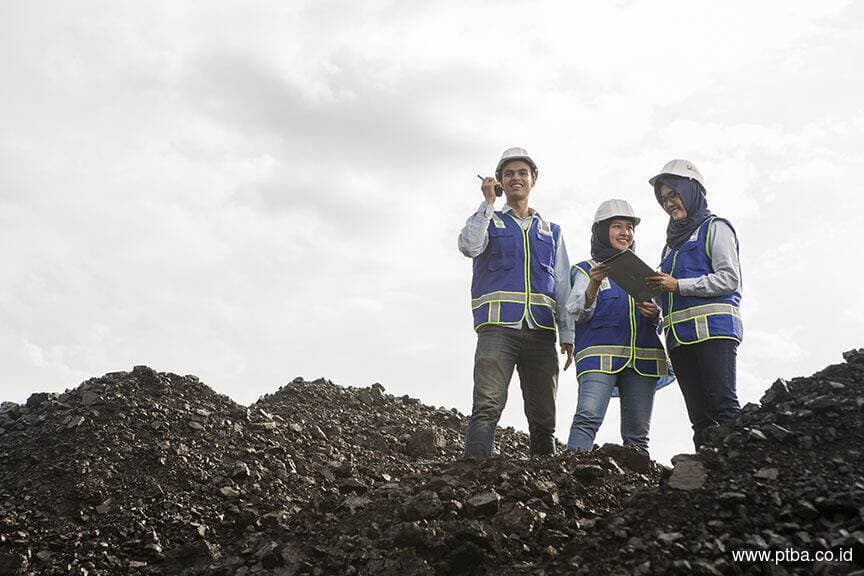
Mines can often present dangerous hazards. To prevent accidents while working in mines, check out the following safety guidelines that has been listed by reliableplant.
1. Aware of the Danger
Keep safe by being aware of the fact that working in mining is risky. Always alert at every moment on the job and look out for other team members, too. Major impact accidents can occur in a moment of negligence.
2. Planning and Communication for Dangerous Tasks
Always include safety requirements in planning tasks. The safety of employees should not be compromised to meet deadlines and work quality. Every risk and possibility of accidents should be assessed and eliminated as possible. In a condition where risks still exist, clear instructions and mitigation must be well informed.
3. Professional Training
Regular safety training, including theory and practical modules, must be delivered not only for new team members but also for all employees. Health and fitness checkup must be done for workers who take on strenuous roles to determine their capability on the physical demands of their work.
4. Safety Equipment
It is crucial that all workers always wear the necessary safety equipment, such as helmets, gloves and safety glasses. Over and over again we hear workers being saved because of their helmets.
5. Team Supervision
The safety of a team is the responsible of all the team members. Besides the supervisor, all workers should know where and what their fellow team members are doing in their shift. Safety instructions should be obeyed without exceptions. It is the supervisor’s job to follow up and enforce them. For example, only authorized people can enter a site. If any team members break safety rules, then a warning must be given. In the case of repeated disobedience, appropriate sanctions must be imposed.
6. Safety Procedures Documentation
Safety procedures must be defined clearly and displayed in location prominently accessible to all workers. Safety procedures documentation should include description of various incidents that might occur, what needs to be done and whom to contact. Thus, when accidents happen, all team members know exactly what to do.
7. Latest Safety Standards
Safety equipment should comply with the latest safety standards and be serviced in regular basis. Any item no longer in compliance with the current safety standards should be replaced, even though it may increase expenses or cause project delay. Workers are not allowed to use outdated safety equipment, not even for a moment.
The high number of safety-related incidents in the mining industry could have been prevented. We need to learn from others’ mistakes. Even though the risks can never be completely eliminated, following the seven safety guidelines above will help significantly.