· Press Release
Strengthening Employee Competencies, PTBA Advances High-Impact Community Development Programs
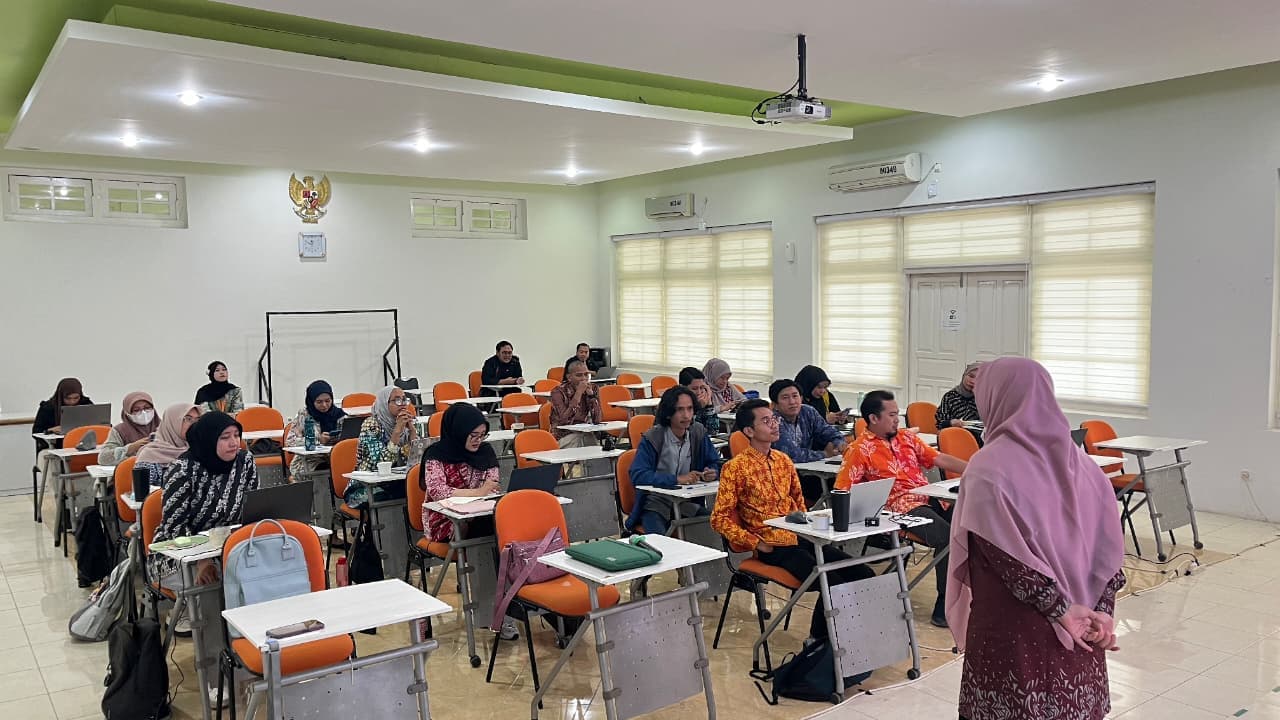
Tanjung Enim, July 10, 2026 – PT Bukit Asam (Persero) Tbk (PTBA), a member of MIND ID, Indonesia's State-Owned Mining Industry Holding, held the In-House Training & Workshop 101: Basic Skills for Community Development and Empowerment Programs (PPM) to strengthen employees’ competencies in designing and implementing impactful, measurable, and sustainable Community Development and Empowerment Programs (PPM).
The training, attended by representatives from PTBA's Sustainability Division and business units, equipped participants with fundamental knowledge and competencies in planning, implementing, and evaluating PPM initiatives. It also aimed to foster a shared understanding of adaptive program implementation aligned with Environmental, Social, and Governance (ESG) principles and the Sustainable Development Goals (SDGs).
PTBA's Corporate Secretary Division Head, Eko Prayitno, said that strengthening employees’ capabilities is an essential part of the company’s commitment to delivering community empowerment programs that generate long-term benefits for society.
"As a company that upholds the principles of sustainability, PTBA remains committed to delivering community empowerment programs that not only provide short-term benefits but also enhance community self-reliance, strengthen local economies, and create shared value for all stakeholders," said Eko.
PTBA Sustainable Economic, Social and Environment Department Head, Listati, emphasized that the success of PPM is measured not only by the implementation activities but also by the tangible impacts they create.
"PPM Programs are designed to create sustainable impact. Therefore, strengthening our employees' competencies is a strategic investment to ensure every program effectively addresses community needs," Listati explained.
During the training, Dr. Rina Ekawati, S.E., M.M., M.M.Par., from the Kinarya Anak Bangsa Foundation, served as the keynote speaker, delivering a session titled "Blueprint for Sustainable Impact". She outlined the fundamental principles of developing PPM Programs that are community needs-based, data-driven, supported by clear performance indicators, and designed to generate sustainable social, economic, and environmental outcomes.
In addition to the presentation sessions, participants took part in interactive workshops where they engaged in discussions, exchange experiences, and practiced developing PPM Program proposals using a more systematic, impact-oriented approach.