· Press Release
The Sound of Sewing Machines and New Hope in a Former Red-Light District
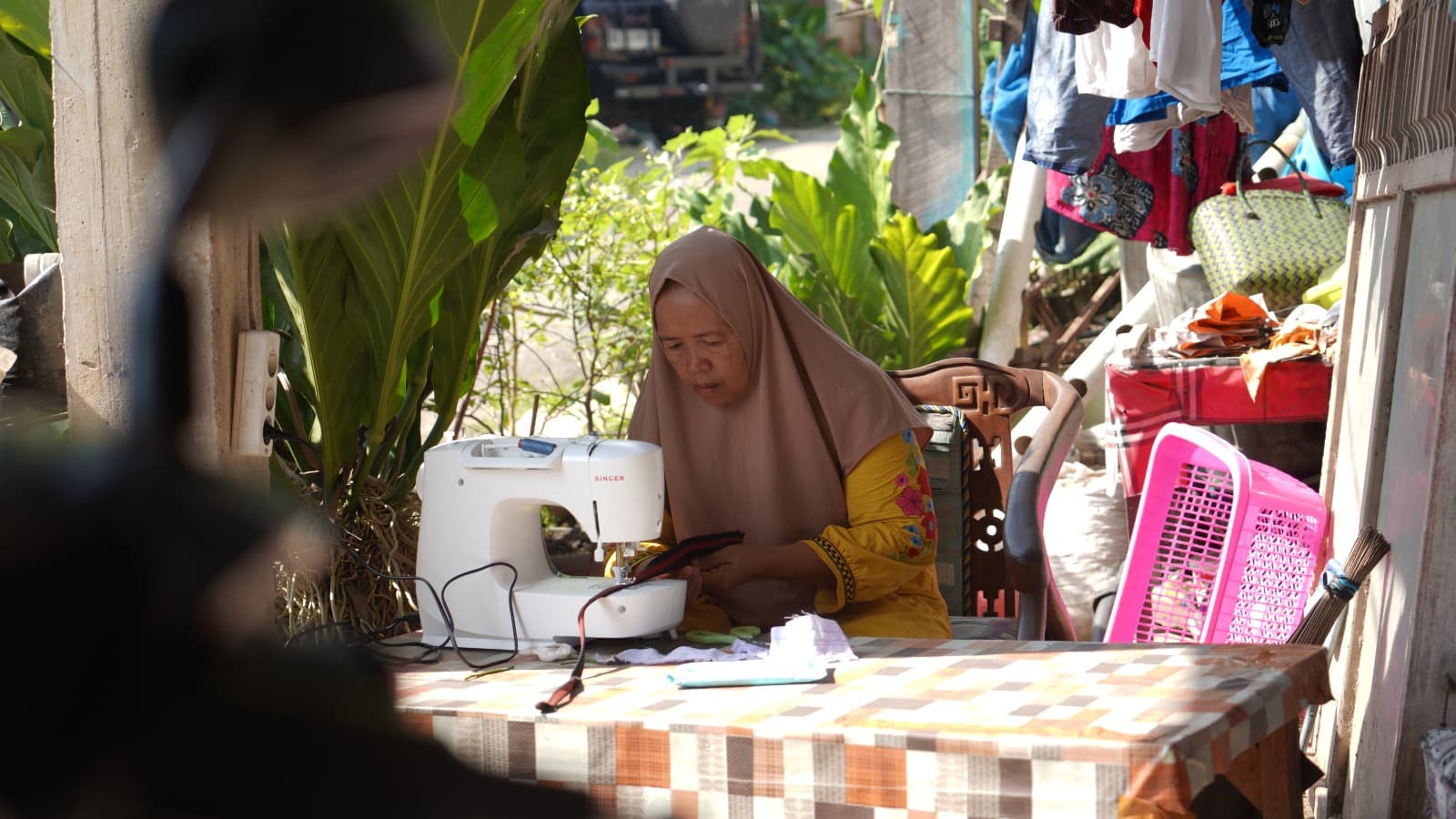
Tuesday, May 26, 2026 — The sound of sewing machines is now heard more frequently in the corners of Panjang District, Bandar Lampung. Behind the rhythmic hum are the hands of women weaving something far greater than fabric.
The area once known as PMD or Pemandangan, long associated with the stigma of a red-light district, is slowly transforming. This change did not come from outsiders. It grew from the efforts of around 30 women united in the Tapis Melati Group.
Within this community, they learn, endure, and gradually rediscover their path forward. With their own hands, they weave tapis, Lampung’s traditional cloth rich in cultural meaning and passed down through generations.
For them, tapis is more than just fabric. Every embroidered thread tells a story of patience, perseverance, and hope for a better life. Amid the stigma that has long overshadowed their neighborhood, these women choose to fight their circumstances through craftsmanship.
Yet the journey has not been easy. Limited production equipment remains a major challenge. Much of the sewing process still has to be done in turns using basic tools. Production time slows down, even as orders begin arriving from various events and exhibitions across Bandar Lampung.
When Their Struggle Was Finally Seen
The struggle of the Tapis Melati Group eventually reached the attention of PT Bukit Asam (Persero) Tbk. Through Bukit Asam Tarahan Port, the company stepped in with tangible support by providing four sewing machines to help boost the group’s production activities.
For the Tapis Melati Group, this assistance means more than just work equipment. It is a symbol that their efforts have been recognized and appreciated.
For PTBA itself, supporting the tapis handicraft center in this former red-light district is part of the company’s commitment to encouraging community economic independence through the creative economy sector.
“We see a spirit of change growing within the community, especially among women, to rise and build a more positive, productive, and dignified livelihood. Through strengthening skills, providing production facilities, and developing businesses based on local culture such as tapis cloth, we hope to create new economic opportunities capable of sustainably improving community welfare,” said PTBA Corporate Secretary Eko Prayitno.
He emphasized that collaboration and community empowerment are key to inclusive social transformation, while also serving as a way to preserve regional cultural heritage so it remains alive and economically valuable.
From Threads to Hope
Today, the atmosphere in the production house feels more vibrant. The new sewing machines hum steadily, helping speed up the making of tapis cloth and its derivative products. The confidence of the group members continues to grow. They keep innovating, creating new designs with stronger market appeal.
Their hope is simple: that the handmade tapis creations of these women become more widely recognized and open the door to a better economic future for their families.
For the people of Lampung, tapis embodies cultural values, life philosophy, and symbols of honor and regional pride. Preserving it means safeguarding a heritage that existed long before they were born.
In a place once looked down upon, that heritage is now becoming a pathway for social change. Women who once lived under the shadow of stigma are slowly rebuilding their future with threads of hope.
Piece by piece, these women are weaving back their dignity and their future.